

Pilates Beds Suitable For Rehabilitation
Pilates, created by Joseph Pilates in the early 20th century, is an exercise program that builds core strength, flexibility, balance, and body alignment. It is a great option for injury recovery and rehabilitation, particularly when guided by an experienced physical therapist.
A significant percentage of physical ailments can be alleviated by practicing the principles of pilates beds. The method helps to strengthen the muscles surrounding joints, which reduces stress on them and alleviates pain. It also improves proprioception, the awareness of one’s own movement patterns and spatial relationships. It is this increased body awareness, coupled with its focus on precision and control, that makes Pilates particularly well suited for rehab.
Injuries and surgeries often leave the body weak, with imbalances in certain areas that require strengthening. Pilates’ targeted approach to building strength can help address these imbalances and injuries, which are often the root cause of pain and discomfort.
Many people assume that taking an extended break from fitness after an injury is best for rehabilitation, but a lack of activity can lead to stiffness and reduced range of motion. Including some light exercises, when approved by a doctor, can help speed up recovery and prevent the development of musculoskeletal issues that may lead to further injury.
While most people associate Pilates with mat work, it can also be practiced on specialized equipment like the reformer or trapeze table. These devices, based on Joseph Pilates’ original designs, consist of beds with sliding carriages and spring systems that provide resistance. Using the adjustable springs and straps, users can build their strength at a level that is appropriate for their recuperation needs.
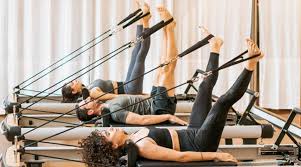
Are Pilates Beds Suitable For Rehabilitation?
Reformer Pilates is particularly well suited for rehab, as its exercises focus on improving balance and coordination, while enhancing mobility in the body. This enables individuals to engage in functional movements, like bending, reaching, and walking, which are important in the rehabilitation process.
As a low-impact exercise, Pilates is safe and gentle on the body, with exercises that are appropriate for nearly any ability level. This allows injured individuals to participate in Pilates without fear of aggravating their injuries. In addition, the individualized instruction that is provided by a qualified Pilates instructor can ensure proper technique to minimize risks of re-injury.
To gain the most benefit from pilates in rehab, it’s best to take classes in small groups or seek out personal instruction. Larger group sizes can limit the amount of guidance available and increase the likelihood of improper movement, which can lead to further injury or discomfort. Injuries and rehabilitative recovery are both a journey, with each person’s energy levels varying per day or hour.
Keeping this in mind, it’s essential that individuals move at their own pace, taking time to listen to their bodies. If you’re looking to learn more about how pilates can aid in injury rehabilitation, contact us at Park North Physical Therapy today! We are committed to offering top-tier Pilates for Rehab Services in Upper Manhattan, NY.


