

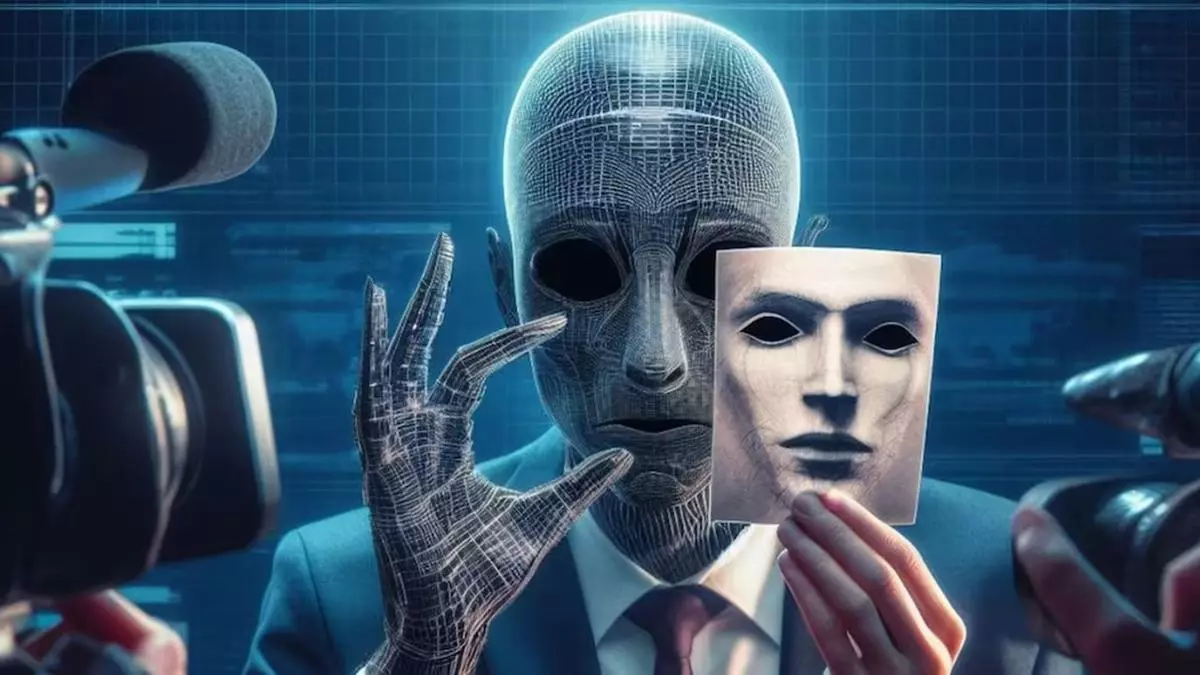
The worst fears of cybersecurity experts have come true as hackers are dragging celebrities to lure gullible people into scams. They are swearing on social media with deepfake videos showing prominent personalities like Mukesh Ambani, Nirmala Sitharaman, Shaktikanta Das, Sundar Pichai, and Narayana Murthy talking about some (fake) financial instruments that give guaranteed returns.
This represents a shift in the cybersecurity landscape, where attackers leverage sophisticated AI tools to manipulate human psychology rather than relying solely on technical vulnerabilities.
The videos look so natural, and the looks, diction, and mannerisms exactly mimic those of the celebrities, that there is no reason to disbelieve. Gullible people are falling prey to such ‘advice’, losing heavily in investing in schemes that were not to be.
Cybersecurity experts have cautioned against the impending trouble where AI-generated deepfake videos could cause havoc.
“Over the past year, AI’s video manipulation capabilities have introduced a new dimension to cybercrime. Scams using deepfakes are particularly concerning because they exploit trust. By impersonating well-known personalities with high fidelity, they create a false sense of legitimacy, luring unsuspecting individuals into fraudulent financial schemes,” Ravindra Baviskar, Director – Sales Engineering, Sophos India and SAARC, told businessline.
These scams often are circulated over social media, preying on individuals unfamiliar with the signs of digital manipulation. To protect against such scams, individuals must adopt a more informed approach to online content.
Sundar Balasubramanian, India and SAARC MD, Check Point Software, said that these scams go beyond only just celebrity impersonations. Scammers have created counterfeit Google Play Stores with realistic visuals to lure victims into installing malicious apps or falling for false financial investment schemes.
“Scammers will no longer rely on phishing links or OTP requests. Instead, they will use deepfake technology to create hyper-realistic videos, voices, and messages that resemble trustworthy interactions—such as video calls from familiar faces or official-looking apps claiming government benefits,” he said.
Vishal Salvi, Chief Executive Officer of Quick Heal Technologies, said that the realistic nature of these deepfakes makes it increasingly difficult for the average user to distinguish between genuine content and manipulated videos, posing a significant threat to financial security and information integrity.
“We have observed a significant rise in such incidents. Our threat intelligence team has detected a marked increase in AI-created deepfake videos featuring prominent Indian personalities over the past few months. The scammers behind these operations are demonstrating a high level of technological proficiency, creating convincing videos that can easily deceive viewers who are not aware of such deepfake technology,” Salvi said.
How to stay safe against deepfakes
- Verify sources and look for signs of manipulation: Check for inconsistencies in facial expressions, unnatural blinking, audio-visual mismatches, and errors in lighting or shadows. Irregular backgrounds, lip-sync issues, and audio glitches may also signal manipulation.
- Conduct thorough research before making financial commitments: Confirm whether the investment platform promoting the schemes is licensed and authorised by checking with regulatory bodies.
- Don’t believe in claims that are too good to be true: Be cautious about sharing personal information online: Scammers often create a sense of urgency, pressuring individuals to act quickly. If something feels too good to be true, pause and reassess the situation.
- Consult with trusted financial advisors or contact financial institutions for advice.
- Avoid clicking on links or sharing personal information in response to unsolicited messages or posts.