

Limitations of PCB Board Manufacturers
The PCB is the heart of any electronic system. This multi-layered piece of printed circuitry connects the components to each other using a combination of copper wires and dielectric layers. It’s the key to the functionality of all electronic systems, including 5G wireless, cloud computing, consumer electronics, automobile, and military industries. But the PCB is not without its limitations. These limitations can affect the quality of your product and cause costly production delays and rework. Fortunately, you can mitigate these risks by choosing the right PCB board manufacturers for your projects.
A good pcb manufacturer has the right production equipment and technology to ensure that your project is produced correctly. They can also offer a variety of finishes and materials to meet your specific requirements. However, it’s important to keep in mind that PCB manufacturing is a complex and time-consuming process. As such, your chosen pcb maker may not be ideal for high-volume production projects.
Choosing the right pcb board manufacturers maker for your project requires careful research and evaluation of their strengths and capabilities. This includes evaluating their production capacity, turnaround times, and delivery schedules. In addition, you should consider their environmental policies and practices. You should also be aware of their pricing structure and whether or not they have a minimum order quantity.
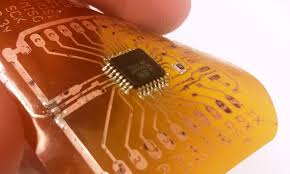
What Are the Limitations of PCB Board Manufacturers?
One of the main challenges with pcbs is their vulnerability to thermal expansion and contraction. When this happens, physical cracks can form on the circuit boards and interrupt electrical signals. Additionally, the cracks can loosen soldering points and components, causing further damage. In addition, the resulting gaps can be difficult to repair, leading to more expensive production costs.
Another limitation of pcbs is their sensitivity to humidity and moisture. These issues can lead to corrosive chemical leakage from the components or even the circuit board itself. This can lead to short circuits, power failures, and other electrical problems. Additionally, the presence of moisture and humidity can cause the components to age faster than normal.
A final limitation of pcbs is their susceptibility to surface defects and contamination. These can include delamination, copper foil defects, and poor surface finish. These issues can be extremely difficult to diagnose and repair, which can lead to the need for a complete replacement in some cases.
As the foundation of modern electronic devices, Printed Circuit Boards (PCBs) are integral to the functioning of nearly every piece of technology. PCB board manufacturers serve as the unsung heroes behind the screens, chips, and circuits that power consumer electronics, industrial machines, medical devices, automotive systems, and much more. These manufacturers ensure that PCBs are designed and produced to meet the diverse needs of the global electronics market, supporting a wide range of industries and applications.
When selecting a pcb manufacturer, it’s important to select an IPC-certified firm that follows RoHS standards. In addition, the firm should be able to provide round-the-clock technical support and have a solid track record in the United States. Techno Tronix, for instance, is an IPC-certified PCB maker that offers a wide range of PCB features, including metalcore and multilayer. This company is located in California and provides customers with fast, affordable service. It also provides a full range of EMS services. This includes component sourcing, PCB fabrication, and assembly.