

PCB rework in circuit board assembly
Printed circuit boards (PCBs) are the backbone of any electronic device. They are layered with components and wires that connect to create functional circuitry. As a result, it is very important that the quality of the PCB assembly is maintained throughout the manufacturing process. However, from time to time, errors and flaws in the board can arise. PCB rework is the process of addressing these issues in order to produce a functional, high-quality product. This post will explore the reasons why PCB rework is necessary, how the process works and more.
Rework of circuit board assembly is essential for ensuring that the final product meets the required quality standards. It also helps to uncover production errors that may have occurred in the initial stages of production. This information can then be used to help prevent these mistakes from occurring in future batches of products.
There are a variety of reasons for the need for PCB rework, from design errors to manufacturing defects and more. The most common reason is that a component has become defective due to manufacturing or assembly error. This can include poor soldering, thermal cycling or other factors that lead to a faulty connection. It is also possible that a component has been damaged in transit or due to environmental stress.
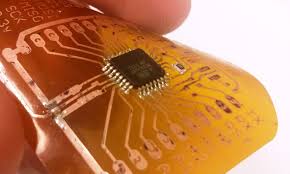
What is PCB rework in circuit board assembly?
The rework process for PCBs can involve a number of different processes, depending on the type of error or defect in question. For example, surface mount technology (SMT) rework typically involves removing and replacing individual components on a PCB without damaging the surrounding components. This can be performed to replace faulty components, upgrade older components or make other modifications to the assembly. In this case, it is crucial that all other components are protected from heat and the rework technician is careful to use the appropriate tools and techniques to ensure that each component is replaced correctly.
Another important aspect of SMT rework is the correct placement and soldering of the replacement components. This requires the technician to be able to read and understand the schematics of the assembly. It is also crucial to work in a clean, dust-free environment to prevent contamination of the new component. It is possible that some of the original coating on the component must be removed in order to place it correctly. This can require special tools or heat and must be carefully done to avoid causing any damage to the assembly.
Through hole technology (THT) rework is a more involved process that involves the removal and replacement of THT components on a PCB without damaging them or the surrounding components. In this case, it is important to be able to identify each of the components that need to be worked on and to make sure that they are not impacted by the rework process. In addition, it is crucial to ensure that the THT components are not exposed to excessive heat that could cause them to warp or break.


